
 NEWS List
Nylon, Polyester, Fiberglass, Steel — An In-Depth Performance Breakdown of Every Fish Tape Material
Introduction
At first glance, a fish tape cable puller may appear to be a simple electrician’s tool. However, behind every successful cable installation lies one critical factor: the material of the fish tape itself.
The material directly affects:
Pulling strength
Flexibility
Electrical safety
Cable protection
Durability
Handling comfort
Service life
Choosing the wrong material can lead to:
Cable jacket damage
Difficult conduit navigation
Reduced efficiency
Increased labor costs
Safety hazards
Today’s professional fish tapes are primarily made from four materials:
1.Nylon
2.Polyester
3.Fiberglass
4.Steel
Each material has unique mechanical and electrical characteristics that make it suitable for specific environments and applications.
This article provides a deep technical breakdown of the performance, strengths, weaknesses, and ideal use cases for every major fish tape material.
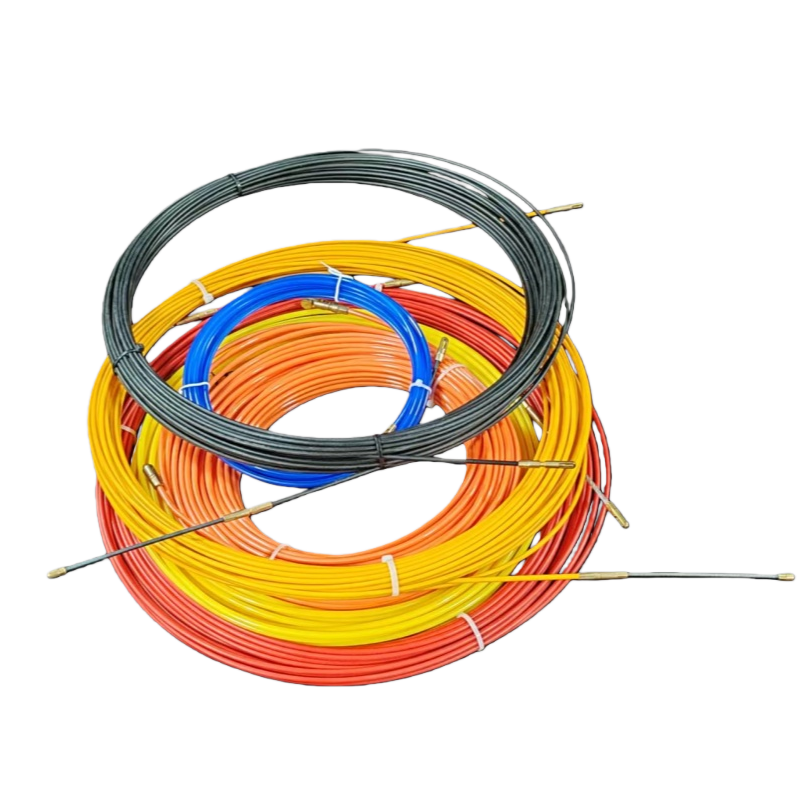
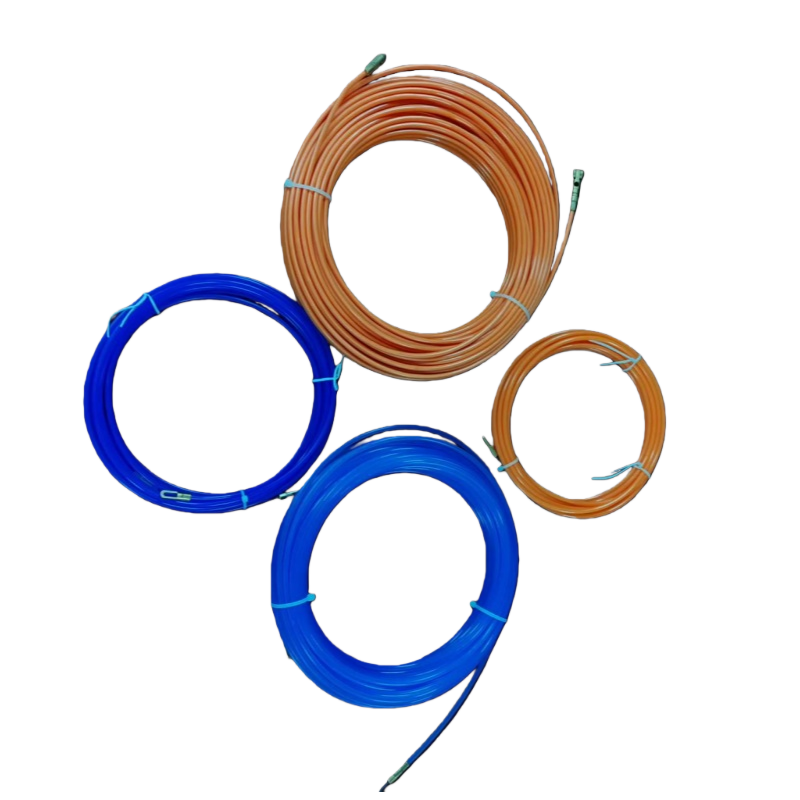
Nylon Fish Tape
Material Properties
Nylon fish tape is made from synthetic polyamide polymers known for their flexibility and smooth surface characteristics.
Key Material Characteristics
Lightweight
Highly flexible
Low friction coefficient
Non-conductive
Corrosion resistant
Nylon’s smooth surface allows it to glide easily through conduit systems with multiple bends.
Advantages of Nylon Fish Tape
1. Excellent Handling Feel
Nylon fish tape is extremely easy to control, making it ideal for electricians working in confined residential spaces.
Its flexibility reduces operator fatigue during repetitive installations.
2. Protects Cable Jackets
Because nylon has a relatively soft surface and low friction coefficient, it is less likely to scratch or abrade cable insulation.
This is especially important for:
Data cables
Fiber optic cables
Communication wiring
3. Electrically Non-Conductive
Nylon provides basic electrical insulation, improving safety compared with metal tapes.
Limitations of Nylon Fish Tape
Lower Tensile Strength
Nylon cannot withstand extremely high pulling loads.
Excessive force may cause:
Stretching
Permanent deformation
Breakage
Not Suitable for Heavy-Duty Pulling
Long industrial conduit runs and heavy cable bundles typically exceed nylon’s mechanical limits.
Best Applications
Nylon fish tape performs best in:
Residential wiring
Office cable installations
Telecom wiring
Light-duty conduit systems
Polyester Fish Tape
Material Properties
Polyester fish tape is engineered for improved strength and environmental resistance.
Key Material Characteristics
High tensile strength
Excellent wear resistance
UV resistance
Moisture resistance
Moderate flexibility
Polyester is widely considered the best balance between flexibility and durability.
Advantages of Polyester Fish Tape
1. Strong Yet Flexible
Polyester offers significantly greater pulling strength than nylon while maintaining good maneuverability.
This balance makes it suitable for a wide range of installation environments.
2. Outstanding Abrasion Resistance
Repeated friction inside conduit systems causes less wear compared with nylon.
This increases service life substantially.
3. Excellent Outdoor Performance
Polyester performs well in:
Humid conditions
Sunlight exposure
Underground conduit systems
Its UV resistance makes it ideal for outdoor electrical projects.
Best Applications
Polyester fish tape is especially suitable for:
Outdoor conduit installations
Commercial electrical projects
Long-term professional use
Medium-to-long conduit runs
Fiberglass Fish Tape
Material Properties
Fiberglass fish tape combines glass fibers with resin systems to create a rigid, insulated pulling tool.
Key Material Characteristics
Fully non-conductive
Heat resistant
Corrosion resistant
High rigidity
Moisture resistant
Fiberglass is one of the safest fish tape materials available.
Advantages of Fiberglass Fish Tape
1. Complete Electrical Insulation
Fiberglass is the preferred choice near energized circuits.
It dramatically reduces the risk of electrical shock.
Important Industry Reality
For many electricians, fiberglass is the ONLY acceptable material for high-voltage or potentially live environments.
2. Excellent Heat and Corrosion Resistance
Fiberglass performs reliably in harsh industrial conditions including:
Utility environments
Chemical plants
Substations
Outdoor infrastructure
3. Strong Push Capability
Its rigidity helps operators push longer distances through conduit without buckling.
Limitations of Fiberglass Fish Tape
Higher Cost
Fiberglass tapes are typically more expensive than nylon or polyester products.
Potential Splintering
Damaged fiberglass can produce sharp splinters if improperly handled.
Protective gloves are recommended.
Best Applications
Fiberglass fish tape is ideal for:
Power engineering
Utility maintenance
High-voltage environments
Substations
Industrial electrical systems
Steel Fish Tape
Material Properties
Steel fish tape remains the traditional heavy-duty solution for demanding cable pulling jobs.
Key Material Characteristics
Extremely high tensile strength
Excellent rigidity
Superior pushing force
High durability
Steel provides the maximum mechanical pulling capability among all fish tape materials.
Advantages of Steel Fish Tape
1. Maximum Pulling Force
Steel is unmatched for:
Long-distance conduit runs
Large-diameter conduits
Heavy cable bundles
Multi-cable installations
2. Superior Push Performance
Steel maintains rigidity over long distances, allowing it to navigate extensive conduit systems efficiently.
3. Long Service Life
With proper maintenance and anti-rust coatings, steel fish tapes can remain operational for many years.
Limitations of Steel Fish Tape
Heavy Weight
Steel tapes are significantly heavier than non-metallic alternatives.
This may increase operator fatigue.
Electrical Conductivity Risk
Steel conducts electricity and should never be used near live circuits.
Potential Cable Damage
Improper use may scratch or damage cable insulation due to steel’s hard surface.
Best Applications
Steel fish tape is best suited for:
Industrial conduit systems
Main trunk cable installations
Utility infrastructure
Heavy-duty commercial projects
Comprehensive Comparison Table
Property Nylon Polyester Fiberglass Steel
Flexibility Excellent Very Good Moderate Moderate
Pulling Strength Medium High High Very High
Electrical Insulation Good Good Excellent None
Weight Very Light Light Medium Heavy
Abrasion Resistance Moderate Excellent Excellent Excellent
UV Resistance Moderate Excellent Excellent Moderate
Corrosion Resistance Excellent Excellent Excellent Moderate
Push Performance Moderate Good Very Good Excellent
Cable Protection Excellent Very Good Good Moderate
Best Environment Residential Outdoor/Commercial High-voltage Industrial
Cost Level Low Medium High Medium
How to Choose the Right Fish Tape Material
Selecting the ideal fish tape depends on several factors.
Step 1: Are You Working Near Live Circuits?
YES
Choose:
Fiberglass
NO
Continue to Step 2.
Step 2: Are You Pulling Heavy or Multiple Cables?
YES
Choose:
Steel
NO
Continue to Step 3.
Step 3: Is the Installation Outdoors or in Harsh Conditions?
YES
Choose:
Polyester
Fiberglass
NO
Continue to Step 4.
Step 4: Is Flexibility Your Top Priority?
YES
Choose:
Nylon
NO
Choose:
Polyester
Final Thoughts
The performance of a fish tape depends heavily on its material composition. Understanding the science behind each material allows electricians and contractors to improve:
Installation efficiency
Safety
Cable protection
Long-term tool value
Quick Material Summary
Nylon → Best flexibility and cable protection
Polyester → Best overall balance of durability and value
Fiberglass → Safest choice for energized environments
Steel → Strongest option for industrial pulling power
Professional electricians often keep multiple fish tape materials available because different projects require different performance characteristics.
Choosing the right material is not just about convenience — it directly impacts job-site safety, installation quality, and operational efficiency.
Sources and References
This article is based on technical material properties, electrical safety standards, and industry references from:
1.Institute of Electrical and Electronics Engineers
2.National Electrical Contractors Association
3.Occupational Safety and Health Administration
4.National Fire Protection Association
5.Engineering material references related to polymer mechanics, fiberglass insulation, and steel tensile performance.
6.Product specifications and technical manuals from Klein Tools, Greenlee, and Southwire.