
 NEWS List
Electrician’s Essential Guide: How to Use a Fish Tape Cable Puller Correctly (Step-by-Step)
Introduction
Whether you are installing residential wiring, pulling data cables, or completing industrial electrical work, knowing how to use a fish tape correctly can:
Save significant installation time
Prevent cable damage
Reduce labor costs
Improve job-site safety
Increase overall efficiency
This step-by-step guide explains exactly how professional electricians use fish tape for safe and effective wire pulling.
Preparation Before Using Fish Tape
Proper preparation is critical for successful cable pulling.
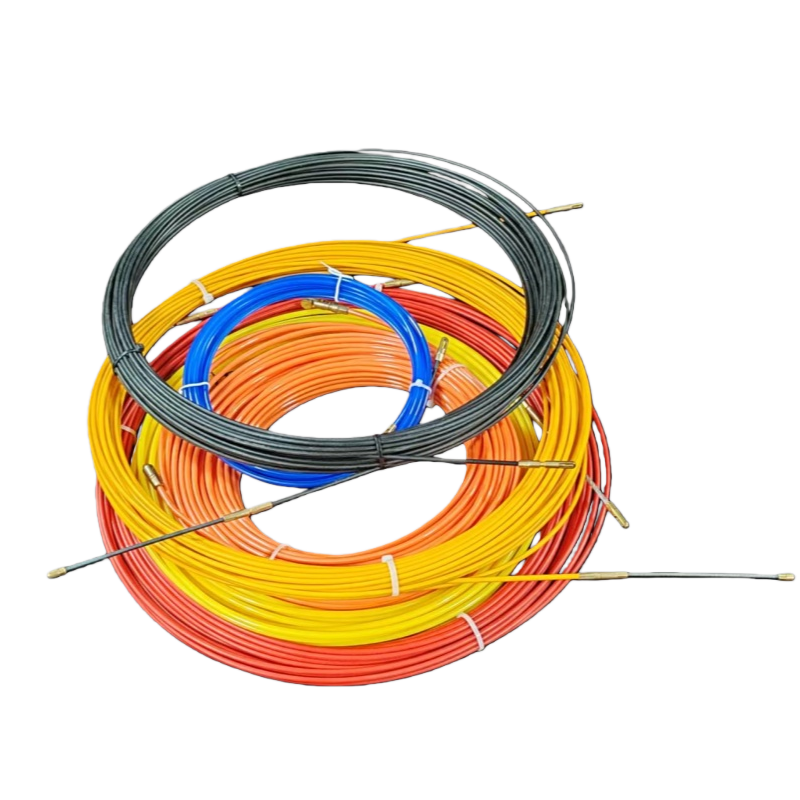
1. Choose the Right Fish Tape Material and Length
Different materials are suitable for different applications.
Nylon Fish Tape
Lightweight and highly flexible
Best for short residential runs
Polyester Fish Tape
Durable and abrasion-resistant
Excellent all-purpose option
Fiberglass Fish Tape
Non-conductive and highly insulated
Ideal for energized or high-voltage environments
Steel Fish Tape
Maximum pulling strength
Best for long conduits and heavy cables
Length Selection
Choose a fish tape longer than the conduit run:
15 m (50 ft): Household projects
30 m (100 ft): Commercial installations
60 m+ (200 ft+): Industrial and utility work
2. Inspect the Fish Tape
Before each use, check for:
Kinks
Cracks
Fraying
Rust (steel tapes)
Splinters (fiberglass tapes)
Damaged tips
Never use a compromised fish tape, as it may break inside the conduit.
3. Apply Cable Pulling Lubricant
Using lubricant greatly reduces friction, especially for:
Long conduit runs
Multiple bends
Heavy cable bundles
Common lubricant types include:
Pulling wax
Cable grease
Water-based wire pulling compounds
Benefits include:
Easier cable movement
Reduced pulling force
Less jacket abrasion
Step-by-Step Instructions for Using Fish Tape
Step 1: Bend the Tip into a Hook Shape
Use pliers to create a small hook at the leading end of the fish tape.
Why This Helps
Prevents snagging on conduit joints
Makes cable attachment easier
Improves navigation through bends
Avoid making the hook too large, which can catch inside the conduit.
Step 2: Feed the Fish Tape into the Conduit
Insert the fish tape into one end of the conduit or trunking.
Best Practices
Push steadily and smoothly
Keep the tape aligned
Avoid forcing the tape
Rotate the reel slightly if necessary
Continue until the tip emerges from the opposite end.
Step 3: Handle Resistance Properly
Resistance is common at bends, couplings, or debris points.
Techniques to Overcome Resistance
Rotate the Tape
Turn the tape clockwise or counterclockwise to change the tip orientation.
Push and Pull Gently
Short back-and-forth movements can free the tip.
Tap the Conduit
Light tapping may help dislodge minor obstructions.
Apply More Lubricant
Reducing friction often solves the problem.
Avoid Excessive Force
Never force the tape aggressively, as this can:
Create kinks
Damage the conduit
Break the tape
Step 4: Attach the Cable and Pull Back
Once the tape reaches the far end, attach the cable securely.
How to Tie the Cable
1.Strip and fold the wire ends.
2.Hook them through the fish tape loop.
3.Wrap tightly with electrical tape.
4.Create a smooth, tapered profile.
Pulling the Cable
Pull slowly and evenly
Maintain steady tension
Have a helper feed the cable
Apply lubricant as needed
Common Problems and Solutions
Problem: Fish Tape Gets Stuck in the Middle
Causes
Debris in the conduit
Sharp offsets
Excessive bends
Solutions
Retract and rotate
Add lubricant
Inspect conduit integrity
Problem: Cannot Pass a Sharp Bend
Solutions
Use a more flexible nylon or polyester tape
Shorten the hook
Feed from the opposite end
Problem: Fish Tape Breaks During Pulling
Causes
Overloading
Existing damage
Incorrect material selection
Solutions
Replace damaged tape
Upgrade to steel or fiberglass
Reduce cable bundle size
Tips for Pulling Multiple Cables at Once
When installing several wires simultaneously:
Bundle Neatly
Align conductors evenly.
Stagger Wire Ends
Reduce the size of the leading bundle.
Tape Smoothly
Create a bullet-shaped nose.
Use Plenty of Lubricant
Lower friction significantly.
Have Two Workers
One pulls while the other feeds and guides cables.
Safety Precautions
Never Use Metal Fish Tape Near Live Circuits
Steel fish tape conducts electricity and can cause serious shock.
Use nylon or fiberglass when circuits may be energized.
Always Wear Gloves
Protect hands from:
Sharp edges
Splinters
Abrasion
Sudden recoil
Additional Safety Tips
De-energize circuits whenever possible
Wear safety glasses
Avoid excessive pulling force
Keep work areas clean
Pro Tips from Professional Electricians
Measure conduit length before selecting fish tape.
Label cables before pulling.
Use a helper for long runs.
Store fish tape in a protective tube.
Clean and inspect after every use.
Summary
Using a fish tape cable puller correctly is a fundamental skill for every electrician.
The essential process is straightforward:
1.Choose the right fish tape material.
2.Inspect the tape thoroughly.
3.Apply cable lubricant.
4.Bend the tip into a small hook.
5.Feed the tape through the conduit.
6.Overcome resistance with rotation and gentle movement.
7.Attach the cable securely.
8.Pull back slowly and evenly.
By following these proven techniques, electricians can complete installations faster, safer, and with minimal risk of cable damage.
Sources and References
This tutorial is based on industry best practices and technical guidance from:
1.National Electrical Contractors Association
2.Occupational Safety and Health Administration
3.National Fire Protection Association
4.Institute of Electrical and Electronics Engineers
5.Manufacturer manuals from Greenlee, Klein Tools, and Southwire.