
 NEWS List
Fiberglas Duct Rodder Buyer's Guide: 5 Key Considerations for Electrical Conduit Work
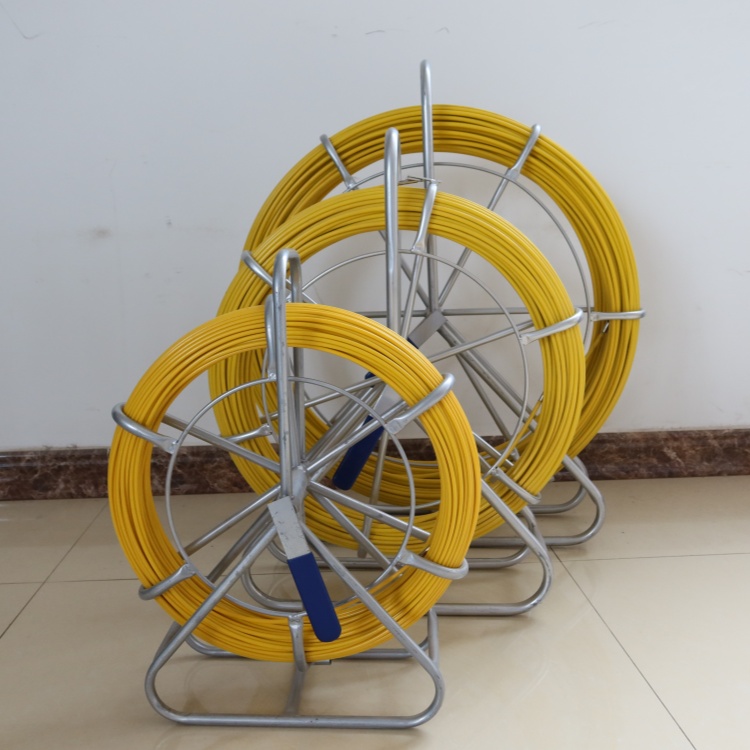
When it comes to electrical installations, network cabling, or rewiring projects, safely pulling wires through conduits is a critical task. A Fiberglas Duct Rodder—also known as a fiberglass fish tape—is an indispensable tool for electricians due to its non-conductive properties, flexibility, and durability. However, not all fiberglass rodders are created equal. Choosing the wrong one can lead to tool failure, inefficient work, or even safety hazards. Here are five key considerations before making your purchase.
1. Insulation & Safety Features
For electrical work, insulation is non-negotiable.
Material Certification: Ensure the rod is made from electrical-grade fiberglass and is explicitly labeled as non-conductive. Look for compliance with industry standards.
Anti-Static Properties: In dry environments, static buildup can occur. Premium models may include anti-static treatments for added safety in sensitive settings like data centers.
Safety Labels: Reliable products include clear warnings such as "For use in de-energized conduits only." Always verify that no live wires are present before use.
2. Material Strength & Flexibility
The quality of fiberglass determines performance and longevity.
Tensile Strength: Check the break strength rating (e.g., 500 lbs or higher). Higher strength prevents snapping during tough pulls.
Flexibility & Memory: A good rod should bend easily around tight corners (like 90° elbows) but return to its straight form quickly. Avoid overly stiff or brittle models.
Surface Durability: A smooth, abrasion-resistant coating ensures longevity and smooth gliding inside conduits.
3. Size & Compatibility
Mismatched sizing is a common mistake.
Diameter: Common diameters range from 1/4" to 1/2". Thinner rods navigate tight bends better; thicker ones offer more pushability for long, straight runs. Match the rod to your typical conduit inner diameter.
Length: Available in coiled or sectional designs (e.g., 25 ft to 200 ft). Choose a length slightly longer than your longest expected run.
Sectional Rods: For very long distances, sectional rods with secure locking mechanisms are ideal. Ensure connections are reliable.
4. Accessories & Connectivity
The rod is only as good as its attachments.
Universal Thread: A standard threaded tip ensures compatibility with various lead heads, brushes, and hooks.
Attachment Kit: Look for kits including multiple guides (e.g., bullet, loop, hook) to handle different cables and scenarios.
5. Ergonomics & Portability
User-friendly design reduces fatigue.
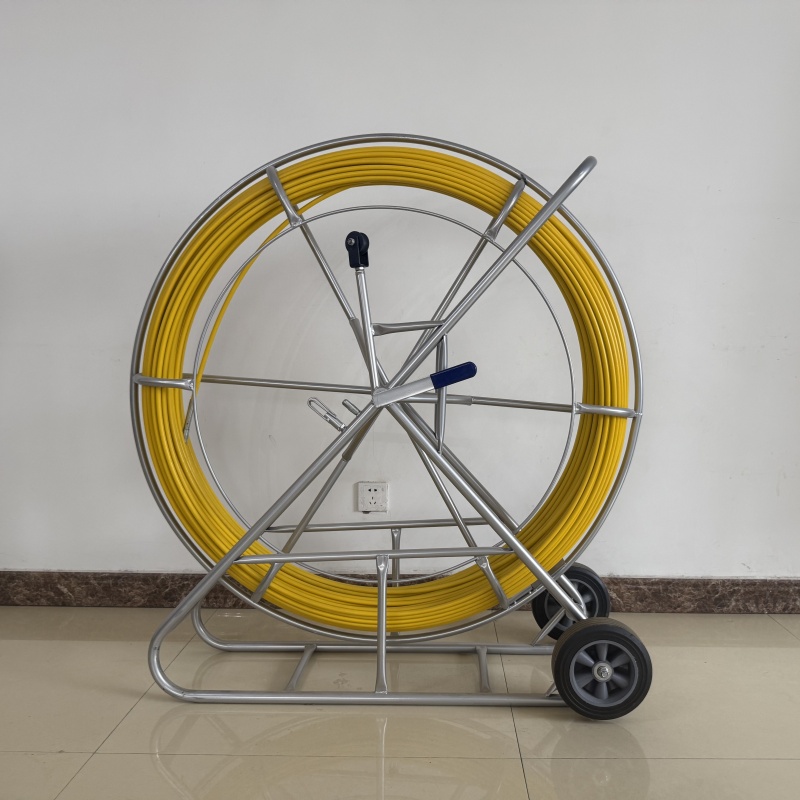
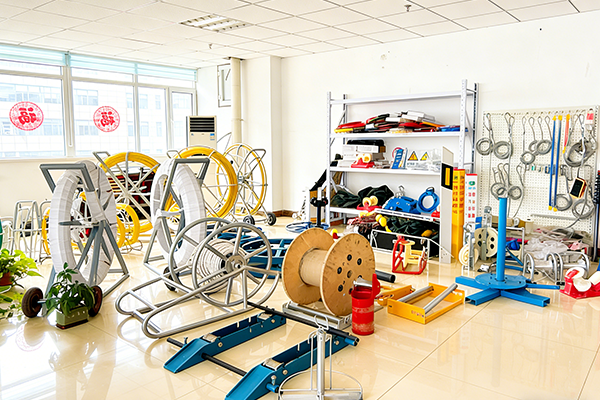
The frame is made of high-strength material to prevent deformation and bending, which could cause harm to the user. And wheels and brakes were added, making it convenient for transportation and operation during electrical work.
Conclusion
Prioritize insulation certification and material strength over price. Match the rod’s diameter and length to your common tasks, and ensure it comes with versatile attachments. Investing in a high-quality Fiberglas Duct Rodder from a reputable brand enhances safety, efficiency, and long-term value for electrical professionals.
References
1. Regulation respecting occupational health and safety (S-2.1, r. 13), Government of Québec,Section 312.118 8 .
2. 2024 International Residential Code, Section M1601.1.1, International Code Council 3
3. Fibrous Glass Duct Construction Standards, 8th Edition, SMACNA, published by AmericanNational Standards Institute (ANSl) 6