
 NEWS List
Industry Solutions for Logistics and Freight Optimization: How Telescopic Height Measuring Poles Improve Loading Efficiency and Transportation Safety
Introduction
In today's logistics and freight industry, efficiency and safety are equally important. Every loading operation must maximize cargo capacity while complying with transportation regulations. A small error in height measurement can lead to overloaded vehicles, route restrictions, damaged cargo, costly delays, or regulatory penalties.
Traditional measuring methods, such as tape measures, ladders, or visual estimation, are often time-consuming and inaccurate. Modern telescopic height measuring poles offer a faster, safer, and more reliable solution for measuring the internal height of trucks, trailers, containers, and warehouse loading areas.
This article explores how telescopic height measuring poles improve logistics operations, enhance safety compliance, and help transportation companies reduce operational risks.
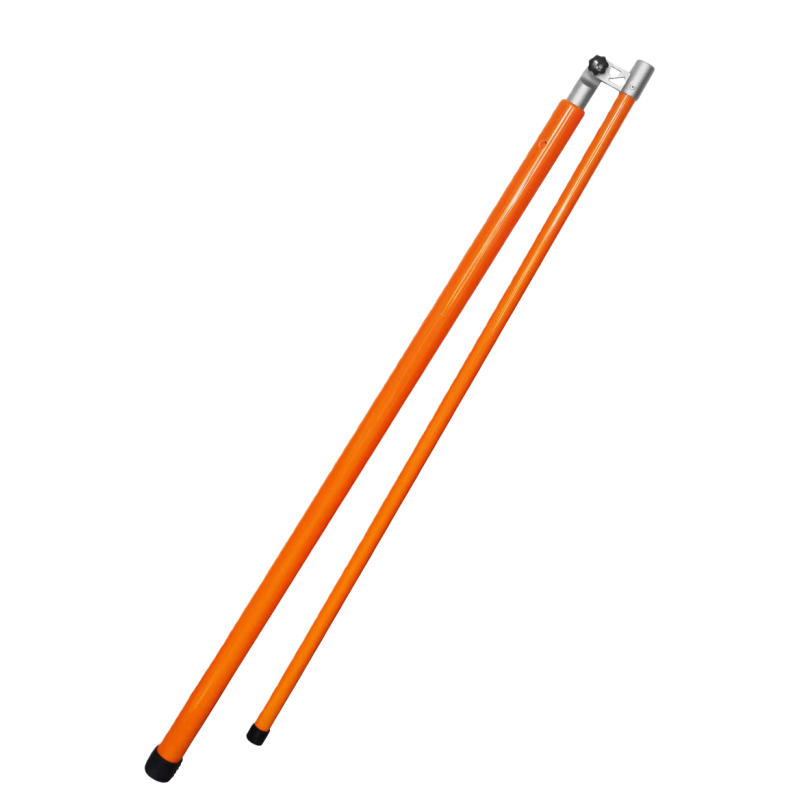
Rapid Loading and Space Utilization
Efficient cargo loading begins with accurate height measurement. Knowing the exact available vertical space allows warehouse personnel to optimize every shipment while minimizing wasted capacity.
Unlike traditional measuring tools, telescopic height measuring poles can be extended within seconds, allowing operators to complete measurements quickly without climbing into the vehicle or using ladders.
Key Benefits
Fast deployment with telescopic design
One-person operation
Accurate height measurement (typically within ±1 cm)
Lightweight fiberglass construction for easy handling
Suitable for repeated measurements during busy loading schedules
By reducing measurement time, operators can accelerate loading workflows and improve overall warehouse productivity.
Quickly Measuring Truck and Container Internal Clear Height
Before loading begins, logistics personnel must verify the available internal height of the transport vehicle.
Typical applications include:
Box trucks
Semi-trailers
Shipping containers
Refrigerated trucks
Cargo vans
Warehouse loading docks
The standard operating process is straightforward:
1.Extend the telescopic measuring pole to the required length.
2.Place the base firmly on the vehicle floor.
3.Extend the top section until it contacts the roof or ceiling.
4.Lock the telescopic sections securely.
5.Read the measurement directly from the graduated scale.
6.Retract the pole for convenient storage.
This method provides quick and repeatable measurements while reducing the need for manual climbing or multiple operators.
Avoiding Over-Height Penalties and Transportation Delays
Vehicle height regulations vary depending on the country, road classification, bridge clearances, and tunnel restrictions. Exceeding legal height limits can result in operational disruptions and financial losses.
Potential consequences of over-height loads include:
Transportation fines
Mandatory cargo reloading
Route changes
Delivery delays
Increased fuel consumption
Bridge and tunnel access restrictions
Customer dissatisfaction
Accurate pre-loading height verification enables logistics companies to identify potential issues before vehicles leave the warehouse, reducing the likelihood of costly interruptions during transport.
Case Study: Improving Fleet Loading Efficiency
A regional logistics company operating more than 100 delivery vehicles experienced frequent loading delays caused by manual height measurements and repeated cargo adjustments.
After introducing telescopic height measuring poles across its loading facilities, the company reported several operational improvements over a six-month evaluation period.
Observed Benefits
Faster pre-loading inspections
Reduced cargo repositioning
Improved vehicle loading consistency
Shorter average loading time
Better utilization of available cargo space
Lower incidence of loading-related delays
Although performance improvements vary by operation, companies that standardize measurement procedures often achieve greater loading efficiency and more consistent freight planning.
Safety Compliance and Risk Management
Height measurement is not only an operational concern but also an important component of transportation safety and regulatory compliance.
Standardized measurement procedures help logistics providers:
Verify cargo dimensions before dispatch
Meet internal quality control requirements
Reduce operational uncertainty
Improve documentation accuracy
Support safety management systems
Consistent measurement practices also facilitate communication between warehouse staff, drivers, dispatchers, and customers.
Ensuring Compliance with Road Transport Height Regulations
Most transportation authorities establish maximum vehicle height limits to ensure safe passage beneath bridges, tunnels, overhead signs, and utility infrastructure.
Before departure, operators should verify:
Vehicle internal height
Loaded cargo height
Overall vehicle height
Clearance allowances for packaging materials
Route-specific restrictions where applicable
Using calibrated measuring equipment helps companies demonstrate due diligence and supports compliance with transportation regulations and customer requirements.
Preventing Door Closure Failures and In-Transit Damage
Incorrect cargo height can create operational issues even before a vehicle leaves the loading dock.
Common risks include:
Rear doors that cannot fully close
Cargo contacting the trailer roof
Damage during vehicle vibration
Scraping against overhead structures
Load instability caused by improper stacking
By confirming available clearance before loading is complete, operators can reduce the likelihood of equipment damage, cargo loss, and costly rework.
Additional Safety Benefits of Dielectric Fiberglass Construction
Many telescopic height measuring poles are manufactured from Fiberglass Reinforced Polymer (FRP), a material that offers excellent mechanical strength and electrical insulation.
Although logistics applications typically do not involve live electrical work, dielectric materials provide additional safety advantages in environments where electrical hazards may exist.
Potential applications include:
Loading areas near overhead electrical equipment
Intermodal terminals
Railway freight facilities
Port operations
Utility maintenance depots
Industrial warehouses
Benefits of FRP Construction
Excellent electrical insulation
Corrosion resistance
Moisture resistance
Lightweight design
High structural strength
Long service life
In humid environments, fiberglass materials also resist moisture absorption better than many traditional materials, helping maintain structural performance and reducing maintenance requirements.
Best Practices for Efficient Height Measurement
To maximize operational efficiency, logistics companies should establish standardized measurement procedures.
Recommended practices include:
Inspect the measuring pole before each use.
Ensure all telescopic locking sections are securely engaged.
Measure on a level surface whenever possible.
Record measurements before cargo loading begins.
Verify final cargo height after loading is complete.
Clean and store the measuring pole after use.
Periodically inspect scale markings and locking mechanisms.
Consistent operating procedures improve measurement reliability while supporting safer and more efficient warehouse operations.
Conclusion
Accurate height measurement is a critical step in modern freight transportation. Telescopic height measuring poles help logistics providers optimize loading efficiency, maximize cargo space utilization, reduce operational delays, and improve compliance with transportation regulations.
With lightweight fiberglass construction, rapid deployment, and precise measurement capability, these tools provide a practical solution for warehouses, transportation companies, ports, distribution centers, and industrial facilities. When combined with standardized operating procedures and regular equipment maintenance, telescopic height measuring poles contribute to safer, more efficient, and more reliable freight operations.
References
The technical concepts and operational guidance presented in this article are based on publicly available international standards and industry references, including:
1.ISO 9001:2015. Quality Management Systems – Requirements.
2.ASTM International. ASTM F711 – Standard Specification for Fiberglass-Reinforced Plastic (FRP) Rod and Tube Used in Live Line Tools.
3.International Electrotechnical Commission (IEC). IEC 60855 Series – Live Working – Insulating Foam-Filled Tubes and Solid Rods.
4.Occupational Safety and Health Administration (OSHA). 29 CFR 1910 – Occupational Safety and Health Standards.
5.Federal Highway Administration (FHWA), U.S. Department of Transportation. Guidance on commercial vehicle dimensions and freight transportation safety.
6.International Road Transport Union (IRU). Best practices for commercial road freight transport, cargo safety, and fleet operations.
7.UNECE (United Nations Economic Commission for Europe). Recommendations related to road transport safety and freight operations.
8.FIATA (International Federation of Freight Forwarders Associations). Industry guidance on cargo handling, loading efficiency, and logistics management.